

Educational Institutions
Campus Community Care


1 in 7 Adolescents
Globally, one in seven adolescents (10–19 years old) experiences a mental health condition.
Half of all adult mental health disorders begin by age 14, yet most cases remain unrecognized and untreated.
Educator Burden
53% of educators report symptoms of burnout.
The pressure is compounded by the challenge of managing student behavioral needs, often in environments with limited resources
and support.
Impact on Learning
Untreated mental health issues in students lead to poor school attendance, academic difficulties, and increased risk taking behaviors, while high teacher turnover disrupts school stability and student continuity
Whole School Approach
Research indicates that schools adopting a multi-component, integrated approach report improved student wellbeing, increased attendance, and higher academic attainment
Pillar
Strategy
Goal
Integrated Wellbeing
Embed mental health education into the daily curriculum.
Normalize conversations and build social-emotional literacy.
Staff Empowerment
Provide evidence-based training
Increase staff confidence to support student needs.
Student-Led Culture
Actively involve students in shaping wellbeing initiatives.
Foster agency, belonging, and a supportive community.
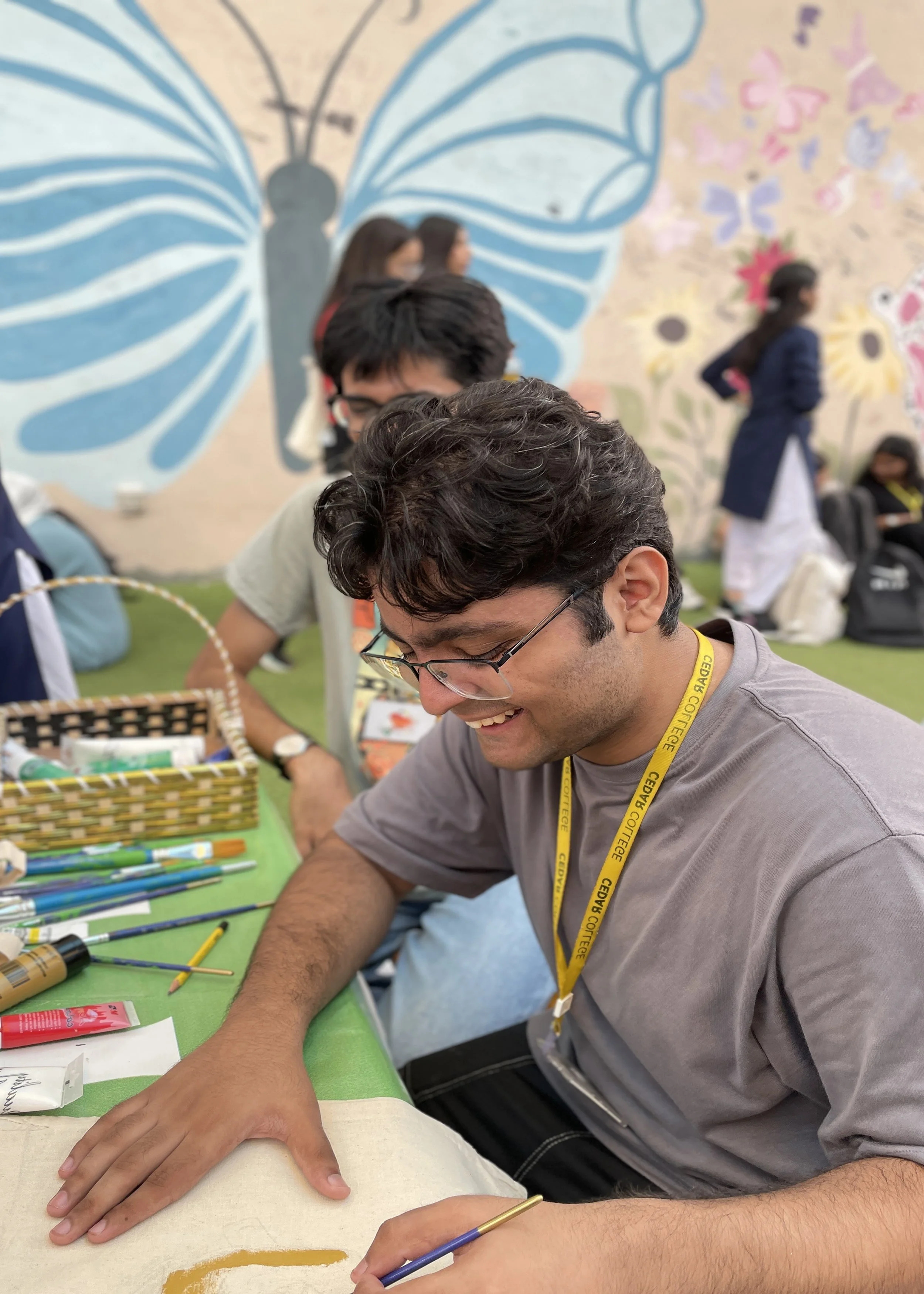

For Students

24-Week Wellbeing
Curriculum

"Storm in a Teacup" Lecture
Wellbeing Games

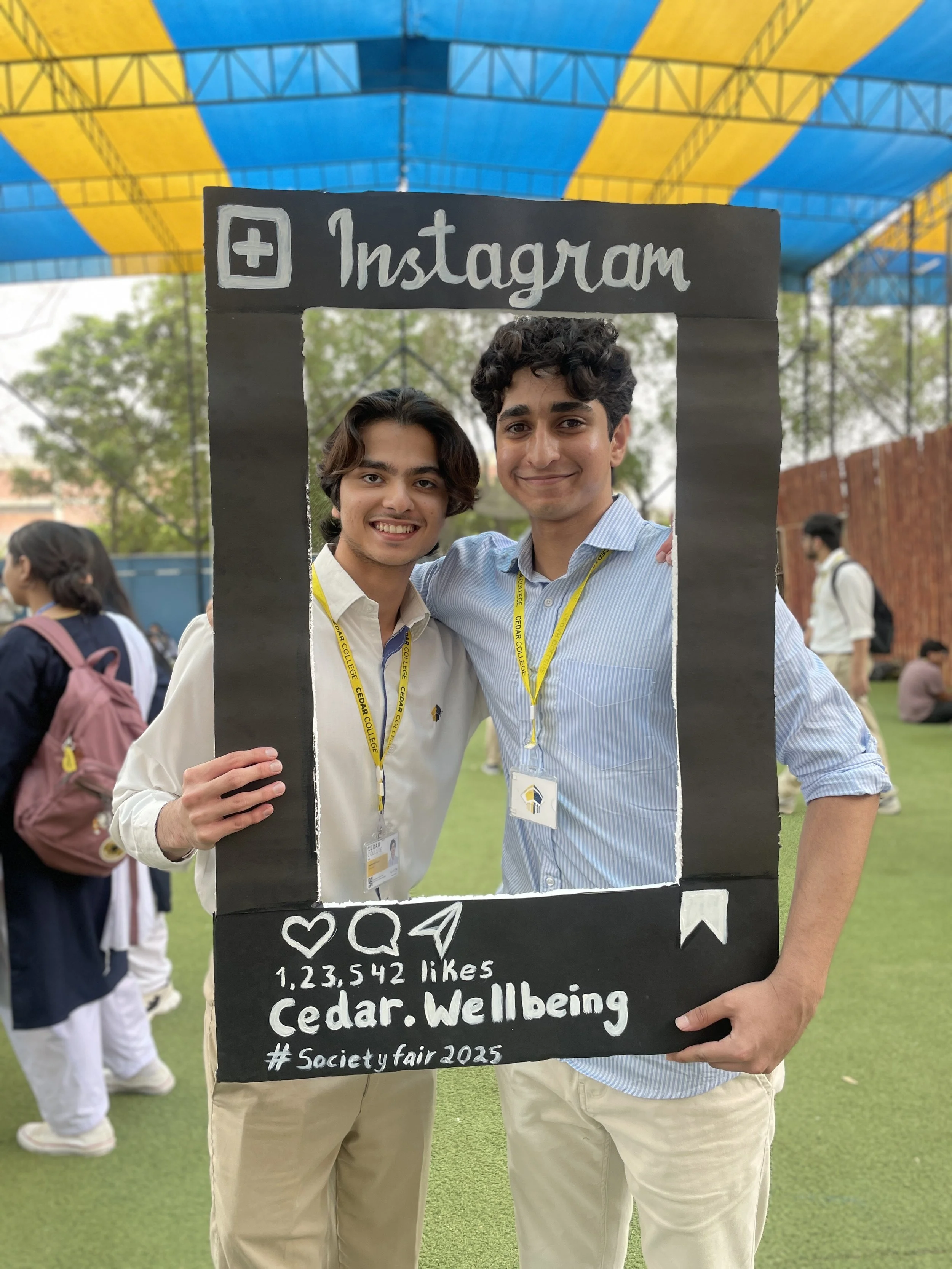
Campus-Wide Engagement
An evidence-based program utilizing DBT, CBT,
and Dynamic Emotion Integration to build resilience and essential emotional skills.
An engaging, meme-driven session helping adolescents navigate intense emotions and major life transitions.
Gamified campus-wide events to foster a culture of positivity and problem-solving.
Dynamic integration of wellbeing into school culture, including:
The Wellbeing Newsletter:
Providing consistent, positive reinforcements.
Stories of Resilience:
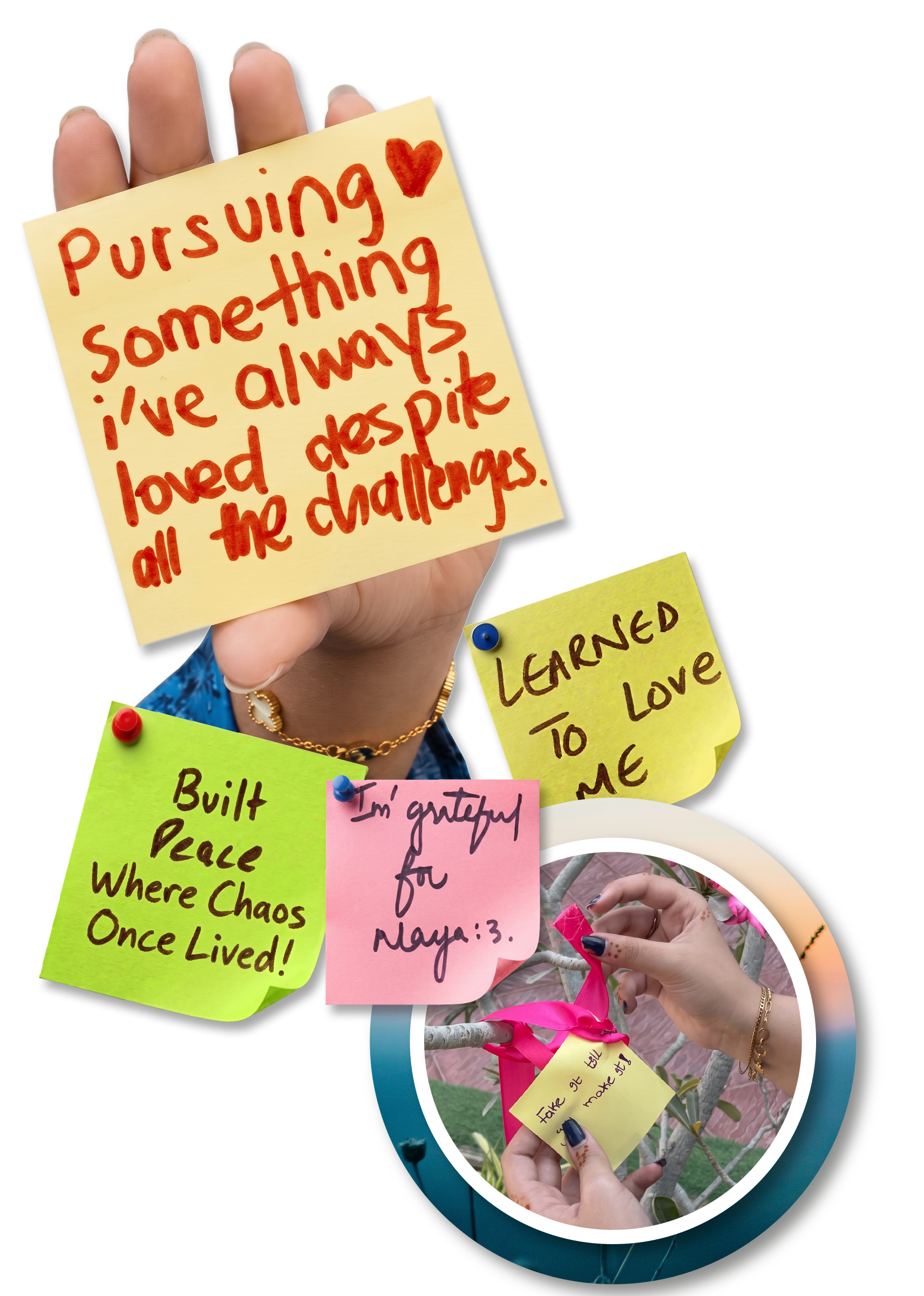
A campaign highlighting student narratives
to build collective empathy.
Experiential Spaces:
Interactive installations like the "Rage Room"
for emotional release and creative expression walls.
Life Skills Development: Practical, hands-on programs focusing on manual skills and self-sufficiency.
For educators
Adolescent
Development
Workshop

The Holistic Educator
Program
Teacher
Burnout
Prevention
Inclusive
Pedagogy
Policy
& Systems
A guide for teachers and parents on supporting young people through the critical developmental shifts of the teenage years.
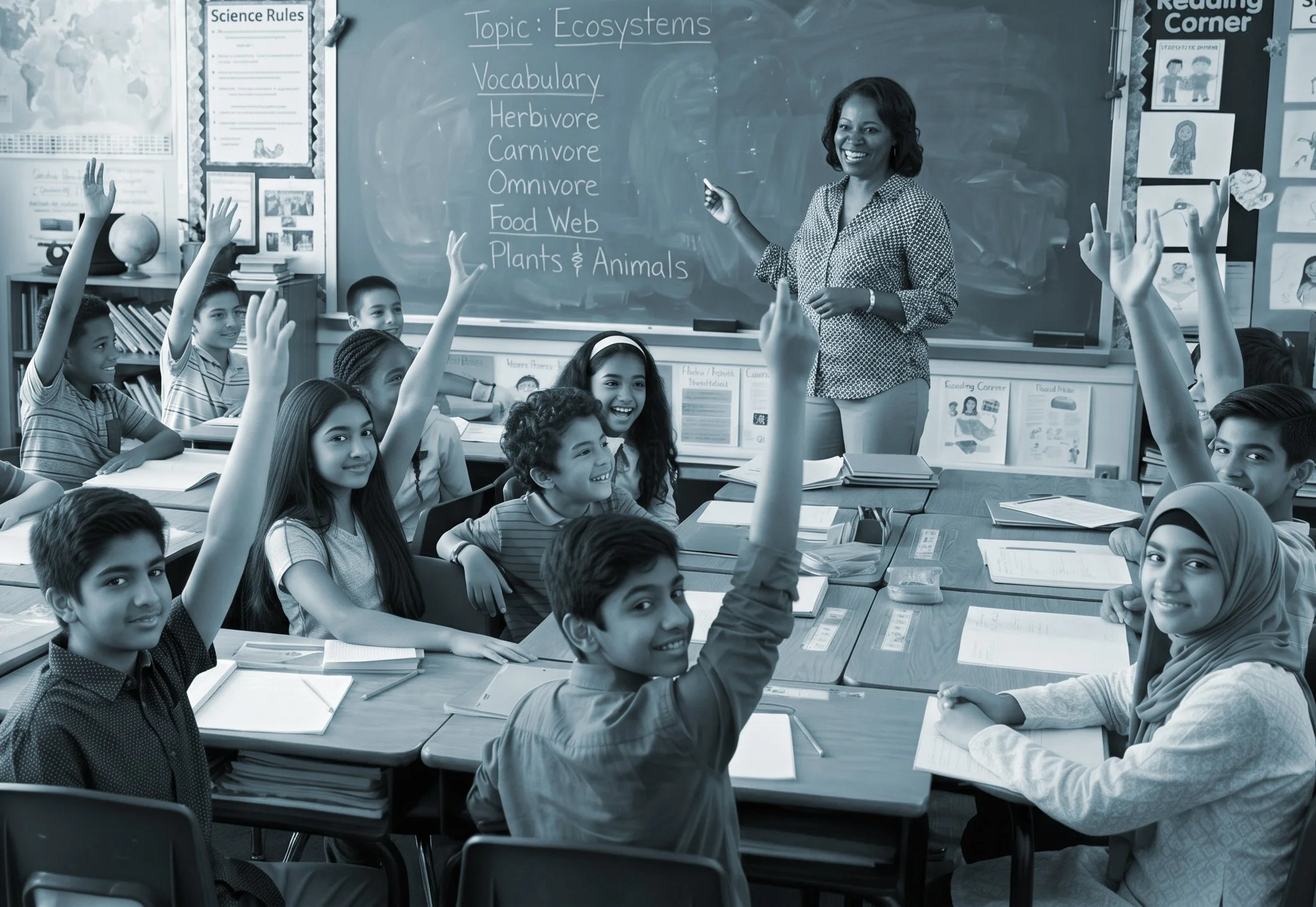
An intensive workshop integrating mental health literacy with empathetic engagement, equipping teachers with the relational competencies to provide holistic student support.
A dedicated workshop series focused on sustainable self-care and professional longevity.
Workshops offering actionable techniques
to engage diverse learning styles
Development of institutional mental health
policies and strategies for embedding
Social-Emotional Learning (SEL) into daily instruction.
Future Initiatives
Digital
Wellbeing Resources
Mental
Health Research Internships
Early Years
Development
Life Skills Development
Wellbeing Competitions

gratitude
2025
Flexible-schedule online resources for students to learn at their own pace.
Providing students with real-world research exposure.
Specialized frameworks
for primary-aged emotional growth.
Practical, hands-on programs focusing on manual skills and self-sufficiency.
Gamified campus-wide events
to foster a culture of health
and problem-solving.